Security planning
How to choose the right guarding model for your site
A practical way to balance visible presence, property inspections and out-of-hours response.
A practical way to balance visible presence, property inspections and out-of-hours response.
Start with the site, not the headcount
Choosing a guarding model is not simply a decision about whether to place an officer at the front door. The right arrangement reflects how a site operates, when people and assets are most exposed, and what a successful security outcome looks like. A busy office, an active construction site and a vacant warehouse may all need a visible deterrent, but the duties, timings and level of interaction will be very different.
Build the risk picture
Begin with a practical risk review. Consider access points, operating hours, lone working, deliveries, valuable equipment, previous incidents and the movement of employees, contractors and visitors. This gives you a clear picture of when a permanent presence adds value and when scheduled inspections or a responsive service may be more proportionate. It also prevents security expenditure from being concentrated in low-risk periods while important gaps remain elsewhere.
When static guarding adds value
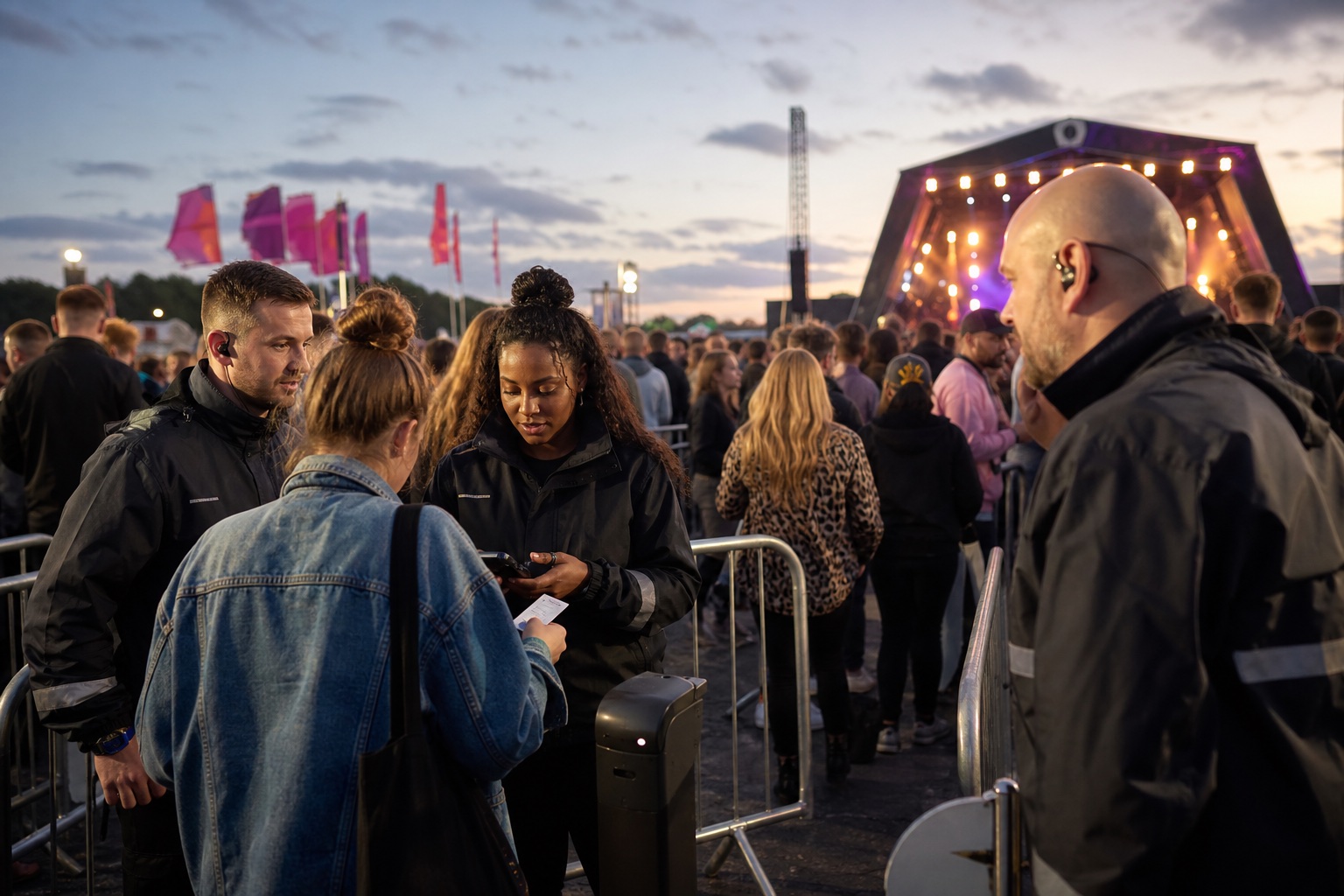
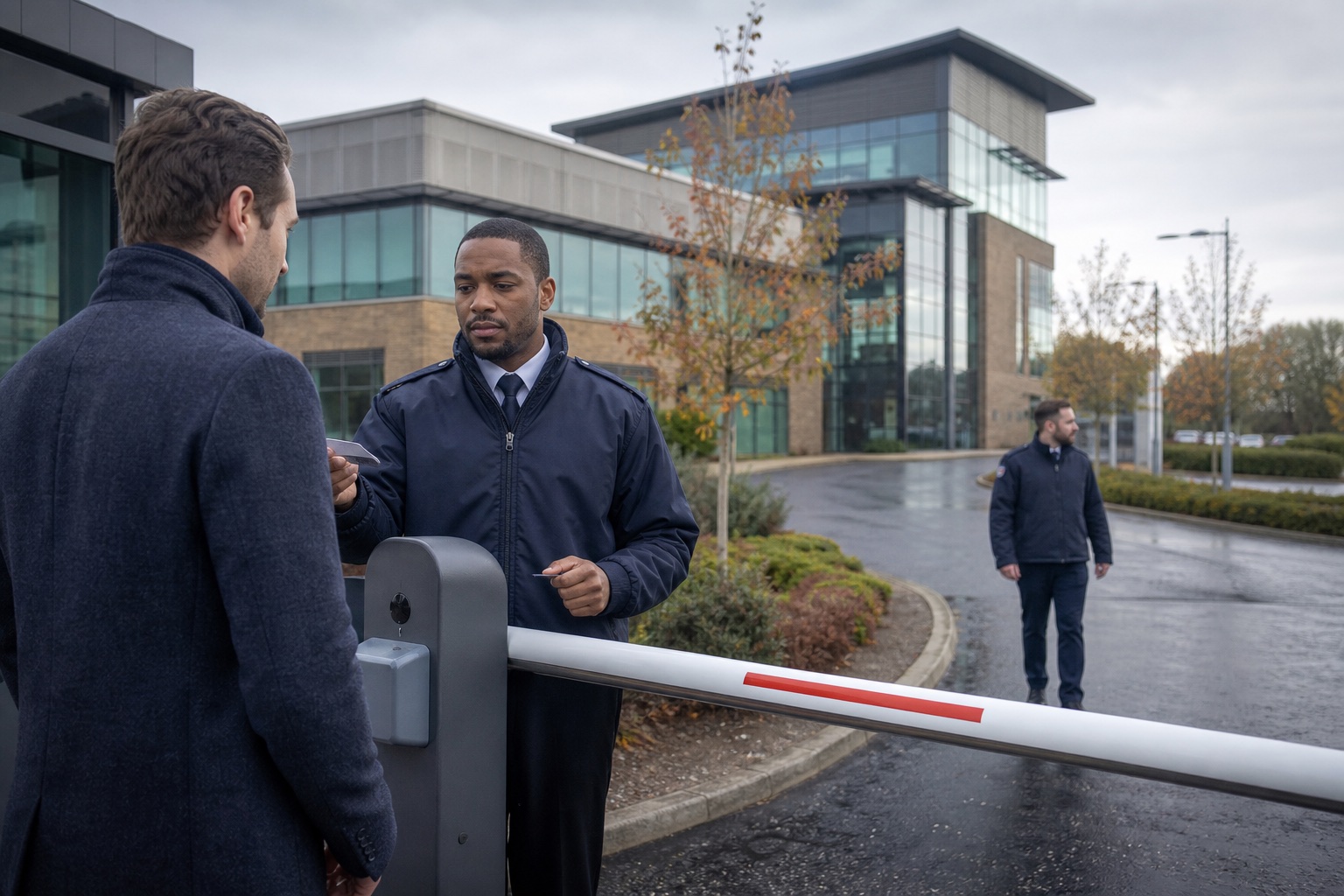
Static guarding works best where continuous observation, access control or immediate intervention is required. A dedicated officer can verify visitors, manage keys, support reception, patrol vulnerable areas and respond to issues as they develop. The officer should have site-specific instructions rather than a generic list of duties, with clear priorities for routine activity, unusual situations and escalation.
Where vacant property inspections fit
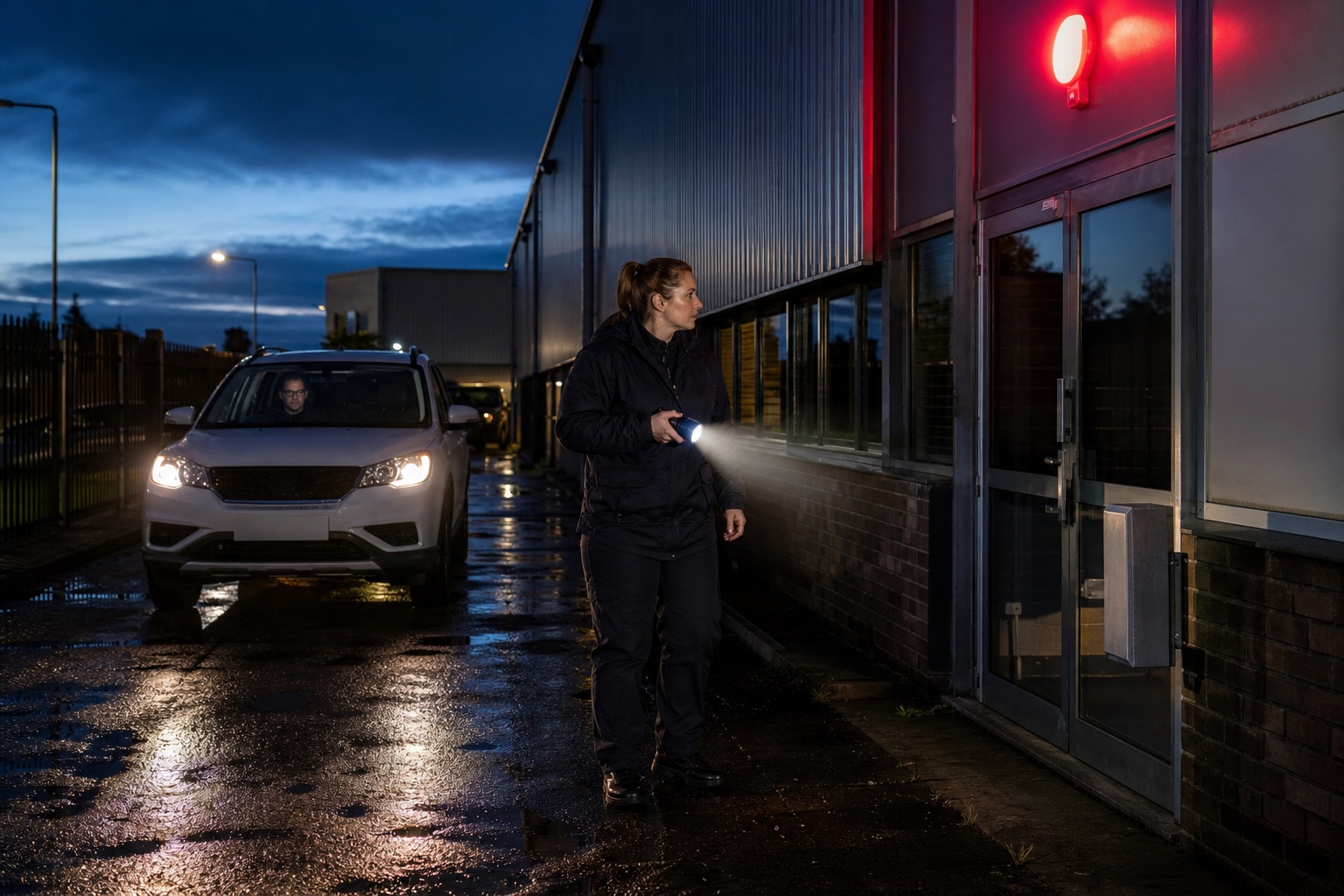
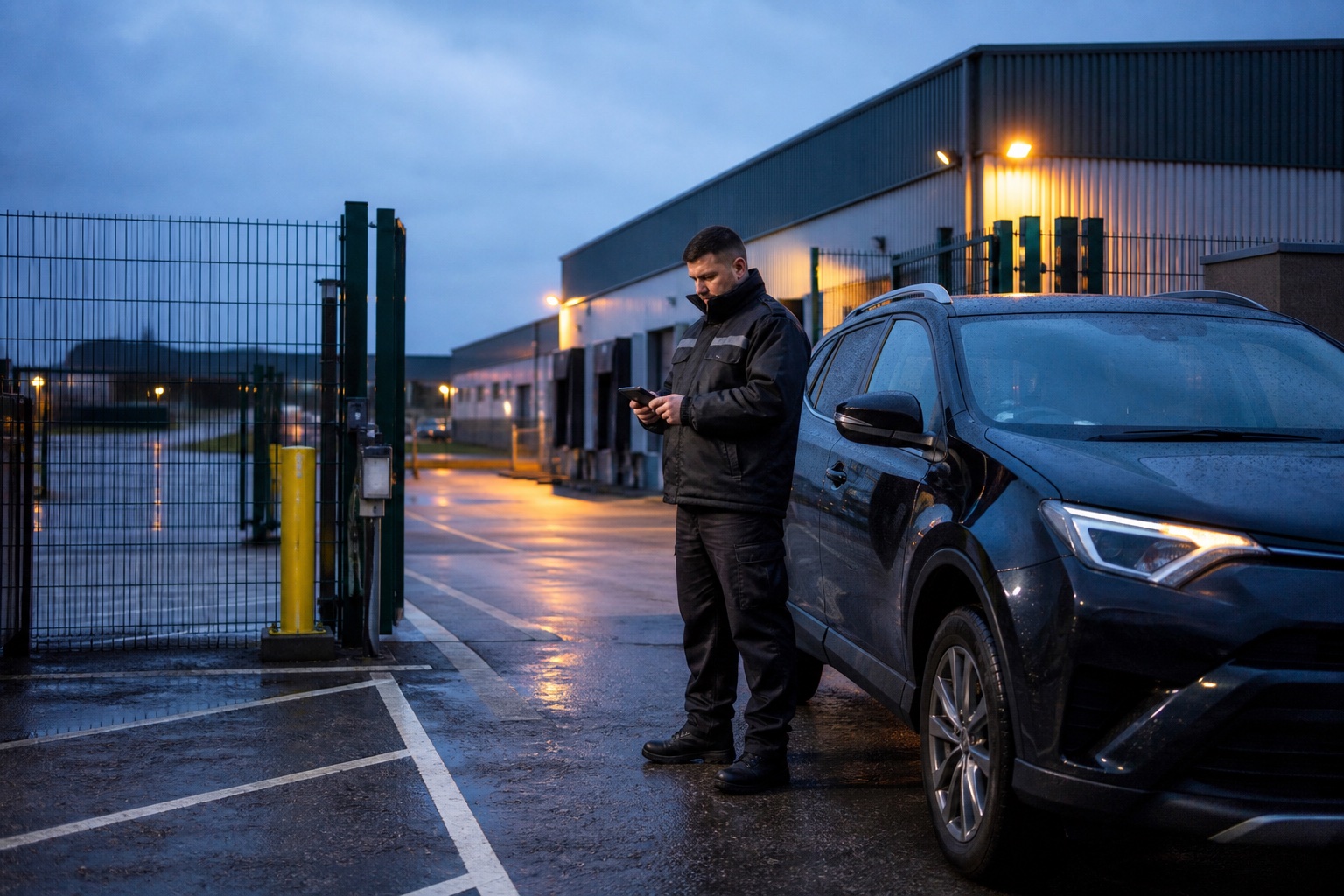
Vacant property inspections provide structured oversight when a building is empty or temporarily closed. Scheduled internal and external checks can identify forced entry, broken access points, water ingress, fire indicators, utility concerns and signs of unauthorised occupation. The service is most effective when every visit follows a property-specific checklist and leaves reliable, time-stamped evidence.
Complete the out-of-hours plan
Key holding and alarm response complete the out-of-hours picture. They give an authorised professional the means to attend activations, inspect the premises, liaise with emergency services and re-secure the site without placing employees at unnecessary risk. For many organisations, the strongest model combines daytime guarding or planned property inspections with a dependable response plan overnight.
Measure the service
Whichever model you choose, define how performance will be measured. Useful indicators include completed patrols, access exceptions, response times, incident quality, recurring vulnerabilities and the accuracy of shift records. Reports should help managers make decisions, not simply confirm that an officer was present. Regular communication between the client, officers and security management keeps instructions relevant as the site changes.
Design the model around outcomes
A good guarding model is therefore a designed service rather than a headcount. Start with the outcome, assign the right form of protection to each period of risk, and review the evidence after mobilisation. Yorkshire Fortress Security can assess a single location or a wider portfolio and build a joined-up plan using guarding, vacant property inspections, key holding and response in the proportions your organisation actually needs.
Ready to review your security plan?
Tell us about your site, operating hours and current concerns. Our team can help turn the guidance in this article into a proportionate working plan.
Talk to our team